A lot of energy-saving advice assumes you own your home, have a few thousand pounds to spare and don't mind a weekend in the loft.
This is a different list. These are cheap fixes that make a real difference to how warm a home feels, and they work whether you own or rent. If you live in one of the older terraces in Preston or across South Ribble, most of them will help straight away.
Why does my house feel cold when the heating is on?
Usually because of moving air, not because the heating isn't working.
A draught pulls heat away from your skin far faster than still air at the same temperature. That's why a room can read 20 degrees on the thermostat and still feel chilly if cold air is creeping across the floor. Tracking down draughts is almost always cheaper, and works better, than turning the heating up.
How do I find draughts in my home?
Check properly rather than guessing. On a cold, windy day, walk slowly round the house holding out the back of a wet hand. It picks up air movement you'd otherwise miss. Check at floor level, around doors and windows, and along the edges of any room above an unheated space.
The usual culprits are:
- Letterboxes and keyholes, which most people never think about
- The gap under the front door, and under internal doors to a cold hallway
- Gaps between floorboards and along skirting boards, especially in older houses
- Unused chimneys, which can pull warm air out of a room all day
- Loft hatches, which are often just a loose board on a frame
- Cat flaps, extractor vents and old holes where cables come through
Older terraced houses, common across Preston and South Ribble, often have suspended timber floors and open fireplaces, so floorboards and chimneys are worth checking first.
What are the cheapest ways to keep a house warm?
Start with cheap fixes you can easily undo, roughly in this order:
- Draught-proof the front door. A brush strip along the bottom and a letterbox brush take about 20 minutes and make the whole hallway warmer.
- Sort out your curtains. Line them or hang thicker ones, and make sure they stop above a radiator rather than covering it. A curtain over a radiator sends most of its heat straight out of the window.
- Block unused chimneys. Use an inflatable chimney balloon or a purpose-made chimney draught excluder, not a bin bag, and leave a little ventilation.
- Fit radiator reflector panels. On external walls, a panel behind the radiator costs a few pounds and stops you heating the brickwork.
- Close internal doors. Heating rooms you're not using is the most common and most expensive habit in a cold house.
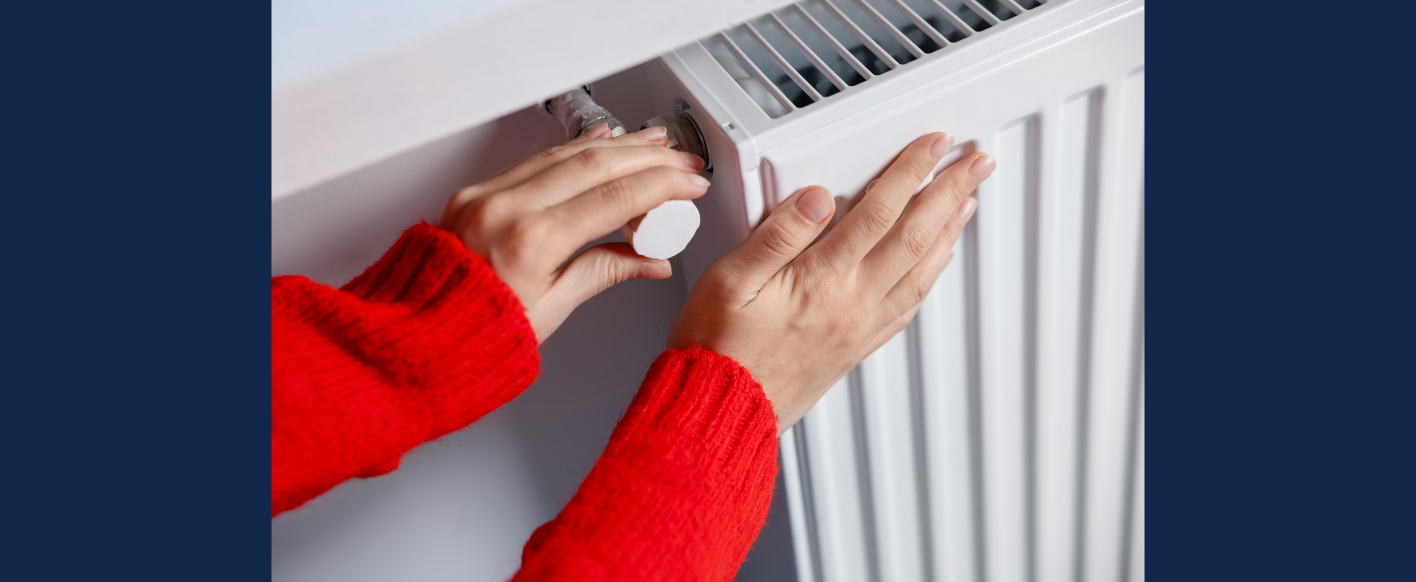
- Bleed your radiators. If a radiator is cold at the top and warm at the bottom, it's full of air and only doing half its job.
Does turning the thermostat up heat the house faster?
No. Turning the thermostat up doesn't heat your home any faster. It just heats it to a higher temperature, which usually means it gets too warm and someone opens a window a couple of hours later.
Set the thermostat to a temperature you're comfortable with and use the timer so the heating comes on before you need it, not after. If your radiators have thermostatic valves, turn them down in rooms nobody uses. It's the closest thing to free money in this list.
Why is one room always colder than the rest?
There's usually a structural reason. The heating is working fine; the room is just losing heat faster.
A room above a garage or passageway has cold air underneath it instead of a heated room, so the floor never warms up. A corner room has two outside walls instead of one. A bedroom over an unheated porch behaves the same way.
Rugs help more than you'd expect, because they stop a cold floor drawing heat from your feet. A thicker curtain and a draught excluder at the door will usually do more for that room than turning the whole house up by a degree.
Are electric heaters cheaper than central heating?
Rarely, if you have gas central heating. Under Ofgem's price cap for October to December 2026, electricity costs 26.32p per kWh compared with 7.97p for gas, so each unit of electricity costs over three times as much.
A small heater in the one room you're sitting in can make sense. Heating the whole house room by room with plug-in heaters usually doesn't, so be wary of anything sold as a miracle money-saver in November.
What can renters do to keep warm?
Almost everything on this list. Draught excluders, curtains, radiator panels, chimney balloons, door brushes and bleeding radiators are all reversible, and none of them alter the property. You can take most of them with you when you move.
The building itself isn't yours to fix. Broken heating, failing windows, missing insulation and persistent damp are your landlord's responsibility, and it's worth reporting them in writing rather than buying another blanket.
If you rent a home through Roberts & Co in Preston or South Ribble, report repairs to us here or call 01772 746100 and we'll get them looked at.
Frequently asked questions
Is it cheaper to leave the heating on low all day?
For most homes, no. Heating an empty house costs more than warming it up again when you get back. The exceptions are very well insulated homes, and homes with persistent damp, where a low, steady background temperature helps keep walls and windows above the point where condensation forms.
Should I open windows in winter?
Not all the time, but every home needs some ventilation, or moisture builds up and turns into condensation and mould. Short bursts work best: open windows wide for a few minutes after showering, cooking or drying washing, then close them.
Can draught-proofing cause damp?
It can if you seal a house completely and cut off all ventilation. Draught-proof the gaps you don't want, but keep the ventilation that's there on purpose, such as extractor fans, trickle vents and airbricks. Never block an airbrick.
What else can homeowners or tenants do to reduce their energy bills?
Review your supplier rates for gas and electricity. We have written about this in a previous blog If you know someone in Preston or South Ribble who's dreading their next energy bill, please share this with them.
Source: Ofgem, energy price cap 1 October to 31 December 2026 (average Direct Debit unit rates: electricity 26.32p per kWh, gas 7.97p per kWh).
Share Article
Similar Articles
Why you shouldn’t settle for lazy marketing by estate agents.
Welcome to the first blog post from Roberts & Co.(..)
read article " alt="">
Energy Bills: The Price of Doing Nothing
We hear about energy prices in the news far too(..)
read articleThinking of
selling your home?
We can provide a FREE, no obligation valuation.