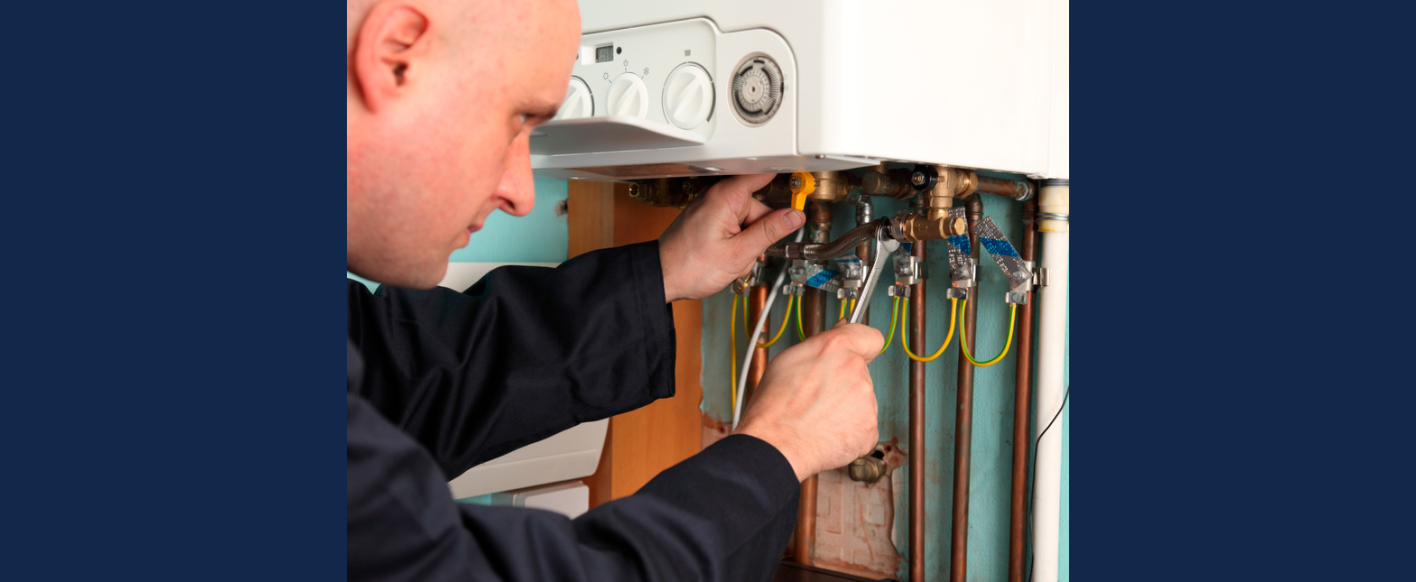
Every winter the same conversation starts in rented homes across Preston and South Ribble. The heating’s on, the bill is frightening, and the place still isn’t warm.
So what can a tenant actually insist on, and what’s just an old house being an old house? The line is clearer than most people think.
Does a landlord have to provide heating?
Yes. A landlord must provide heating and keep it working.
Under section 11 of the Landlord and Tenant Act 1985, your landlord must keep the installations for heating the home and the hot water in repair and proper working order. That covers the boiler, radiators and pipework. In an ordinary tenancy this duty can’t be signed away, whatever the tenancy agreement says.
What the law doesn’t do is set a temperature your home must reach. There’s no single legal number.
Is there a legal standard for a cold home?
Yes, but it doesn’t work the way most people expect. Cold homes are assessed under the Housing Health and Safety Rating System (HHSRS), which your local council enforces.
The system was overhauled on 23 June 2026. The old list of 29 hazards was cut to 21, and the ten bands from A to J were replaced with three: High, Medium and Low. Excess cold is still one of the hazards.
In practice, a council officer can inspect your home, judge how serious the cold is, and require the landlord to act. It’s an assessment of the risk to your health, not a thermostat reading.
Does Awaab’s Law cover private renters?
Not yet. This is worth being precise about, because a lot of coverage blurs it.
Awaab’s Law sets strict deadlines for social landlords to investigate and fix hazards. It has applied to social housing since 27 October 2025, but it doesn’t apply to private landlords. The Renters’ Rights Act 2025 gives the government the power to extend it to private renting. A consultation on how to do that opened on 9 October 2026 and runs until 18 December 2026, but no start date has been set.
If you rent privately, your route for now is section 11 and your council, not Awaab’s Law.
What should I do if my rented home is too cold?
Report it properly, in writing, and keep a record:
- Report it in writing, even if you’ve already phoned. An email or message gives you a date, and the date is what matters later.
- Describe the effect, not just the fault. Say which rooms, what temperature, what times of day, and how it’s affecting your household.
- Let the landlord or contractor in. A repair can’t happen if nobody can get in, and refusing access weakens your position.
- Keep a short log. Note dates you reported it, replies, visits and what was done. Photos of a thermometer are more useful than a description.
- Contact your council if nothing happens. If there’s no progress in a reasonable time, contact the private sector housing team at Preston City Council or South Ribble Borough Council and ask for an HHSRS inspection.
Whatever happens, don’t stop paying the rent to force the issue. It doesn’t strengthen your hand. It puts you in arrears and turns a repair problem into a possession problem.
What should landlords do when a tenant reports a cold home?
Act quickly and keep a record.
A boiler that can’t be fixed for three days in November is a very different conversation if you’ve supplied temporary heaters and confirmed the engineer’s visit in writing. Most disputes that reach the council aren’t really about the fault. They’re about a tenant who felt ignored.
It also helps to separate two problems that get mixed up every winter. A home that can’t be heated is a repair issue. A home that’s expensive to heat is an efficiency issue, and the answer there is insulation, draught-proofing and glazing rather than a call-out.
What if the heating works but the home is still freezing?
Then the problem is the building, not the boiler, and the fix takes longer but lasts.
Single glazing, no loft insulation, uninsulated solid walls or missing draught seals will all beat a perfectly healthy heating system. None of that is an emergency repair, and a landlord doesn’t have to rebuild a Victorian terrace to modern standards. But it’s exactly what an HHSRS inspection looks at, and energy efficiency rules will increasingly require improvements over the next few years.
For landlords, insulation is usually cheaper than repeated call-outs, empty months between tenants, and a tenant who leaves in March.
Is damp the landlord’s or the tenant’s responsibility?
Usually both, so it’s best treated as one conversation.
Cold surfaces plus everyday moisture cause condensation, and condensation causes mould. The landlord deals with the building; the tenant deals with ventilation and drying washing. Arguing about whose fault it is just wastes the month in which it could have been sorted.
If you rent through Roberts & Co in Preston or South Ribble, report a repair via PropertyFile. If you’re a landlord and want help keeping on top of winter repairs, our lettings team can talk you through it.
Frequently asked questions
Is there a legal minimum temperature for a rented home?
No. There’s no single legal temperature for a private rental. The landlord must keep the heating in repair and proper working order under section 11 of the Landlord and Tenant Act 1985. Whether a home is dangerously cold is judged by the council under the Housing Health and Safety Rating System.
How quickly does a landlord have to fix a broken boiler?
Within a reasonable time, depending on how serious the problem is. Losing all heating in winter is treated far more urgently than a dripping tap. The strict deadlines under Awaab’s Law apply only to social landlords for now, not private ones.
Can I be evicted for complaining that my home is cold?
Not simply for complaining. Section 21 “no-fault” evictions were abolished on 1 May 2026, so a landlord now needs a valid legal ground to seek possession. Reporting problems in writing and keeping records is your best protection either way.
If you know someone shivering through winter in a rented home in Preston or South Ribble, please send this to them.
Renting with an Ethical Agent
If you rent through Roberts & Co, you’re dealing with a member of the Ethical Agent Network (EAN). It’s a national group of independent agents who are independently assessed on how they treat people, the standard of their service and their place in the community. Membership can’t be bought, and it’s only kept by continuing to meet those standards.
For tenants, that means repairs taken seriously and honest answers when something goes wrong. For landlords, it means an agent who looks after your property and your reputation. And for both, it means a local firm that’s put its name to a higher standard. To find out more, get in touch with our team.
Sources: Landlord and Tenant Act 1985, section 11; The Housing Health and Safety Rating System (England) (Amendment) Regulations 2026, in force 23 June 2026; Awaab’s Law, in force for social housing since 27 October 2025; MHCLG consultation, Extending Awaab’s Law to private rented tenancies and to licences (9 October to 18 December 2026); Renters’ Rights Act 2025.